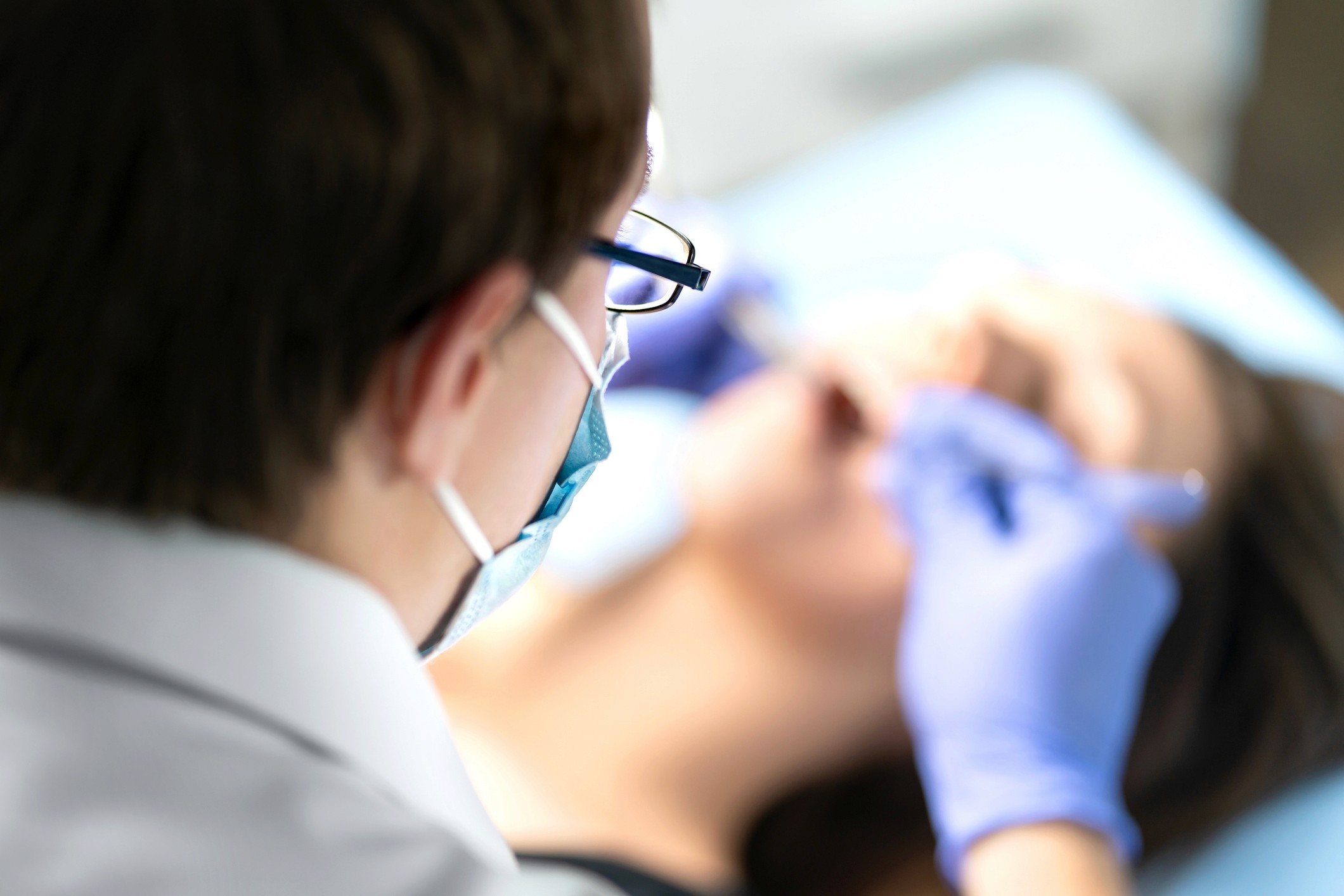

Oral Surgeon Los Angeles: How to Choose the Right Practice Without Guessing
Hearing that you need oral surgery can be intimidating. If you are like many people, you might feel overwhelmed when your dentist hands you a referral slip with a few names on it. That reaction is entirely normal. According to the Los Angeles County Oral Health Chartbook, 67% of adults reported a dental visit in the past year and 69% reported having dental insurance. Even with that access, many patients still feel uncertain when a routine dental issue turns into a surgical referral.
Finding the right provider for oral surgery procedures in Los Angeles shouldn't involve guesswork. You want a practice that offers deep clinical expertise, prioritizing your safety and comfort, while also fitting practically into your life. This guide will help you understand what credentials to look for, what questions to ask during a consultation, and how to confidently select an oral surgeon who meets your clinical and personal needs.
Do you really need an oral surgeon — or is another specialist enough?
Patients often wonder if their general dentist or a periodontist can perform their required procedure. While many dental professionals offer extractions or implants, their training depth and scope of practice differ significantly.
Specialist | Training Focus | Best For |
General Dentist | Comprehensive dental care, basic restorations, and routine maintenance. | Simple extractions, routine fillings, basic cosmetic work, and preventive care. |
Periodontist | Prevention, diagnosis, and treatment of periodontal (gum) disease, and placement of dental implants. | Treating gum disease, performing soft tissue grafts, and managing bone loss around teeth. |
Oral & Maxillofacial Surgeon (OMS) | Extensive hospital-based surgical and anesthesia residency training. | Complex or impacted tooth extractions, advanced bone grafting, complex dental implants, jaw surgery, facial trauma, and cases requiring deep IV sedation. |
When a dentist refers you to an oral surgeon, it usually means your case is more surgically complex. It may involve working near sensitive facial nerves, requiring deeper sedation, or managing underlying medical conditions that complicate surgery.
What credentials actually matter when you’re comparing oral surgery practices in LA?
Many practice websites boast about being "top-rated," but marketing language is not a substitute for verifiable clinical credentials. True oral and maxillofacial surgeons complete rigorous, accredited training that goes far beyond dental school.
According to the Commission on Dental Accreditation (CODA), an accredited OMS residency must last at least 4 years full time, include at least 120 weeks of clinical oral and maxillofacial surgery, and provide at least 32 weeks of combined anesthesia and medical service. In plain English, that means an oral surgeon is trained far beyond dental school for complex surgery, medical risk assessment, and anesthesia decision-making.
You will also see the term "board-certified." The American Board of Oral and Maxillofacial Surgery (ABOMS) requires a written qualifying examination, an oral certifying examination, and verification of hospital staff privileges. For patients, that matters because board certification is one of the clearest ways to verify that a surgeon has met a recognized specialty standard rather than simply using strong marketing language.
How safe is sedation, and what should you ask before saying yes?
Dental anxiety is incredibly common. You are not alone if the thought of surgery makes you nervous. In The Prevalence of Dental Anxiety in Dental Practice Settings, 19% of patients reported moderate-to-high dental anxiety, 6.82% reported high anxiety, and 8.4% said they had missed a dental appointment because of that fear. That is exactly why calm communication, clear planning, and safe sedation protocols matter so much in oral surgery.
Because anxiety is so prevalent, intravenous anesthesia and sedation are routine parts of many oral surgery visits. The AAOMS office-based anesthesia white paper reports that 24,194,239 privately insured patients received office-based dental anesthesia from 2018 through 2021, and that oral and maxillofacial surgeons performed 6,929,439 of the nation’s 8,894,182 moderate or deep sedation and general anesthesia cases during that period. The same paper states that, for healthy patients, office-based anesthesia has been shown over time to be safe and effective.
What to confirm before sedation | Why it matters |
Who is monitoring you throughout the procedure | A separate, trained team helps the surgeon stay focused on surgery and patient safety. |
How the office handles younger or medically complex patients | Rules and endorsements can change based on age, health status, and depth of sedation. |
What recovery supervision looks like | Safe monitoring continues after the procedure, not just during it. |
California adds another safety layer. Under the Dental Board of California anesthesia permit rules, the operating dentist and at least two additional personnel must be present for moderate sedation or deeper, and pediatric endorsements may be required for certain younger patients. A safe practice will gladly explain who is in the room, how your vital signs are monitored, and what emergency equipment is immediately available.
What should happen at a good oral surgery consultation?
Your consultation is your opportunity to interview the surgeon. A quality consultation should leave you feeling informed, respected, and clear on your treatment plan. You should never feel rushed or dismissed.
The Consultation Checklist
Review of Medical History: Did the surgeon thoroughly review your health history and current medications?
Clear Explanation: Did they explain the diagnosis and surgical plan in plain English?
Anesthesia Options: Did they discuss the pros and cons of local anesthesia versus IV sedation for your specific case?
Pain Management: Did they outline a modern, sensible pain control plan?
Pain management is a particularly important topic. The CDC's dental pain care guidance notes that NSAIDs such as ibuprofen are often as effective as, or more effective than, opioids for acute dental pain after procedures. In practice, that means a thoughtful oral surgeon should explain when anti-inflammatory medications are enough, when a short backup opioid prescription might be appropriate, and how to recover as comfortably as possible without overprescribing.
That same consultation is also the right time to talk honestly about wisdom teeth. The AAOMS third-molar white paper reports that asymptomatic periodontal defects were found in 33% of patients older than 25 versus 17% of patients younger than 25, and that 24% of observed patients had at least a 2 mm increase in pocket depth over an average of 2.2 years. In simple terms: "not hurting yet" does not always mean "healthy to ignore."
Cost, insurance, and practical fit matter in Los Angeles too
Even the most skilled surgeon is not the right fit if getting to their office is a logistical nightmare or if their billing practices are opaque. In Los Angeles, traffic, parking, and commute friction are real factors to consider, especially since you will need a responsible adult to drive you home after sedation.
Insurance and cost are also major concerns. Coverage limits, annual maximums, and out-of-pocket costs vary widely, especially when bone grafting, sedation, or implant-related care are involved. A California oral-health policy review from Justice in Aging found that 46% of community-dwelling older adults had untreated oral disease, underscoring how often cost delays needed care.
When comparing practices, ask for a clear estimate of costs before committing to surgery. A reputable office will provide a transparent breakdown of the surgical fees, anesthesia costs, and any facility fees, and they will help you understand how to navigate financial information and insurance claims.
If you’re considering implants, ask about the whole treatment plan — not just the surgery day
Dental implants are a significant investment in your oral health. While overall success rates are excellent, realistic expectations are crucial. A University of Minnesota review of implant outcomes reported a 95.3% 5-year survival rate for implants, which is reassuring for patients who want a durable solution. The same review also reminds patients that the restoration matters too, so your treatment plan should cover the implant, the final tooth, and the long-term maintenance strategy.
Red Flags and Green Flags When Choosing a Surgeon
Red Flags (Keep Looking) | Green Flags (Good Choice) |
The doctor rushes through the consultation and seems annoyed by questions. | The surgeon takes time to explain the procedure, risks, and alternatives clearly. |
The office is vague about who administers sedation and how you are monitored. | The staff explains their advanced monitoring equipment and emergency protocols. |
The pain plan is simply "we will write you a large prescription for painkillers." | The pain plan prioritizes NSAIDs for inflammation, keeping opioid use strictly limited. |
Estimates are unclear, and the front desk avoids talking about out-of-pocket costs. | The office provides a clear, itemized financial breakdown before you agree to surgery. |
People Also Ask About Oral Surgeons in Los Angeles
How do I choose the best oral surgeon in Los Angeles?
Start with the basics: confirm the surgeon is board-certified, ask how often they perform your exact procedure, and find out who handles anesthesia and where they hold hospital privileges. Then compare the practical aspects—insurance help, communication style, follow-up accessibility, and whether the office makes you feel confident and informed rather than rushed.
What is the difference between an oral surgeon and a periodontist?
Both can work around teeth and place implants, but they are not the same specialty. If your case involves complex extractions, impacted teeth, deep IV sedation, advanced bone grafting, or jaw issues, an oral and maxillofacial surgeon is usually the specialist required due to their extensive surgical and hospital-based anesthesia training.
Is an oral surgeon the same as a maxillofacial surgeon?
In everyday language, patients often use "oral surgeon" and "oral and maxillofacial surgeon" interchangeably. The longer term accurately reflects their broad scope of practice, which includes not just teeth and jaws, but also facial trauma, pathology, and complex reconstructive surgical work.
What questions should I ask at an oral surgery consultation?
Ask about your specific diagnosis, alternative treatments, the recommended type of anesthesia, who will administer it, what the recovery timeline looks like, and what complications are most common. You should also request a clear explanation of all costs involved before making a decision.
Should I see an oral surgeon for dental implants?
For straightforward cases, multiple provider types place implants. However, if you have significant bone loss, require simultaneous extractions, need deep sedation, have complex medical conditions, or prefer a specialist whose primary focus is surgical depth, an oral surgeon is often the safest and most reliable choice.
A smarter LA shortlist starts with better questions
Choosing an oral surgeon does not have to be a blind leap of faith based on a referral slip. By looking for verified credentials, prioritizing sedation safety, asking detailed questions about your treatment and pain management plan, and ensuring the practice fits your logistical needs, you can transform a stressful decision into a confident one.
At Santa Monica Center for Oral Surgery and Dental Implants, we believe in empowering our patients with clarity, compassion, and uncompromising clinical standards. If you are evaluating your options, we invite you to review our surgeons' backgrounds, explore our safety protocols, and schedule a consultation to experience a patient-first approach to oral surgery.