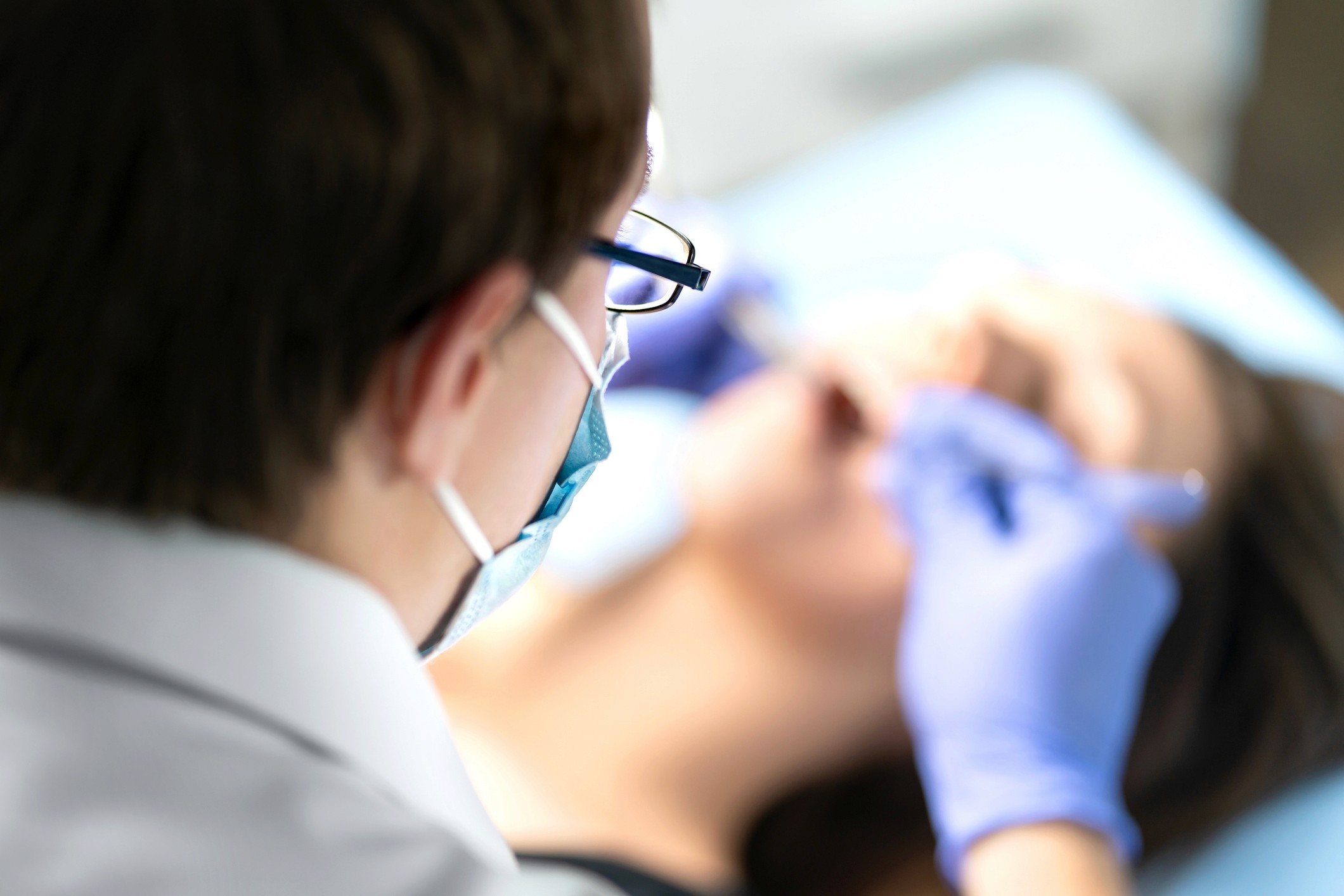

Wisdom Teeth Removal Recovery: A Day-by-Day Guide to Healing
Every year, wisdom teeth removal ranks as the most common surgery performed on people in their late teens and early 20s — with about 5 million Americans having it done each year. And yet most of them walk in not knowing what to expect, and spend their first few days of recovery wondering if something has gone wrong.
Nothing is more effective for a smooth recovery than simply knowing what's coming. Whether you're preparing for your own upcoming procedure or helping a teenager get ready, this guide covers the full wisdom teeth removal recovery process — day by day — based on what the research actually shows. For a detailed overview of the procedure itself, visit the wisdom teeth removal page at Santa Monica Center for Oral Surgery.
What does wisdom teeth removal recovery actually look like?
For most people, the first 3–5 days are when recovery from wisdom teeth removal is most noticeable — swelling, soreness, jaw stiffness, and a soft-food diet. Most patients are back at a desk job or in school by day 3 or 4. If your wisdom teeth were deeply impacted — meaning trapped in the jawbone or angled against adjacent teeth — plan for 7–10 days before you feel normal again.
Gum tissue begins closing over the extraction sites within the first week, with the American Association of Oral and Maxillofacial Surgeons (AAOMS) noting full healing can take up to six weeks — and deeper bone remodeling continuing over months. You won't feel any of that — the discomfort is concentrated in the first week.
The quick answer on wisdom teeth removal recovery time
Most patients feel clearly past the worst of it by days 3–5. Soft-tissue healing completes around week 3–4. Full bony healing takes up to 6 weeks. The vast majority of people resume normal life — eating normally, exercising, working — well before that point.
The wisdom teeth removal recovery timeline, day by day
Day 1: Right after surgery
Expect to be groggy from sedation and to feel very little pain initially — the local anesthetic is still active. Go home, rest, and keep plans minimal for the rest of the day. A blood clot begins forming in each extraction socket within the first couple of hours of surgery; light oozing for the rest of the first 24 hours is normal and expected.
Immediate priorities:
Ice packs, 20 minutes on / 20 minutes off — starting right away. Clinical evidence confirms this is the single most effective way to reduce swelling in the early postoperative window.
Take pain medication before the numbness wears off — don't wait until you're already hurting. Research shows ibuprofen outperforms stronger medications for most post-extraction pain and is the clinical first choice (if your surgeon approves it for you).
No straws — ever. The suction can dislodge the blood clot that's protecting the bone underneath. A dislodged clot leads to dry socket, which is painful and avoidable.
Soft, cool or room-temperature foods only: water, broth, smoothies, applesauce, yogurt.
Days 2–3: The peak — yes, it gets worse before it gets better
This is the part that surprises almost everyone: day 2 or 3 will likely feel harder than day 1. Multiple clinical studies of wisdom tooth surgery show postoperative swelling consistently peaks around day 2 and then gradually resolves through day 7. If your face is puffier and your jaw stiffer on day 2 than it was when you got home from surgery — that is exactly what is supposed to happen. It is not a sign of infection or a complication.
Pain management is most important during this window. Stay ahead of it: take medications on a schedule rather than waiting for breakthrough pain. AAOMS post-op guidelines recommend gentle salt water rinses starting on day 2 — half a teaspoon of salt in a glass of warm water, rinsed gently several times a day. No vigorous swishing.
If your surgeon prescribed antibiotics, take the full course as directed. A 2024 study published in PMC found that completing a prescribed antibiotic course reduces dry socket risk by approximately 36%.
Days 4–5: Turning the corner
Most patients reach a clear turning point between days 3 and 5. Swelling starts to visibly reduce. Jaw mobility improves. Pain is still present but clearly trending downward. Bruising may be more visible on the cheeks or jaw at this point — it's normal and will fade over the following week.
You can start working slightly more solid foods back into your diet: mashed potatoes, scrambled eggs, soft pasta, well-cooked vegetables. Avoid anything small and hard — rice, seeds, nuts, chips, granola — that can lodge in the healing socket.
This is the window to watch for dry socket. It typically develops between days 2 and 4. The distinctive warning sign is pain that intensifies rather than improves, often radiating toward the ear. If that describes what you're experiencing, call your surgeon's office the same day — dry socket is very treatable, but it needs to be addressed promptly.
Week 2: Back to mostly normal
By the end of week one, most patients have stopped prescription pain medication and are managing with over-the-counter ibuprofen or acetaminophen. Energy levels return. You can typically resume light activity and return to work or school if you haven't already.
Continue avoiding small, hard particles that could work into the socket — good oral hygiene matters now. Gentle brushing around (not directly over) the surgical sites, and salt water rinses after meals, support healing without disturbing it.
Weeks 3–6: The finish line
Gum tissue closes over the extraction sites around week 3 and is fully sealed by week 4. Most patients stop noticing the sites entirely. The jawbone continues filling in over the following months — this is invisible to you and requires no special care.
By week 6, recovery from wisdom teeth removal is complete for the vast majority of patients. No restrictions, no reminders.
What affects how long your recovery takes?
Whether your teeth were impacted
Not all extractions are the same. Research on impaction types shows that teeth growing sideways or at steep angles (called distoangular or horizontal impactions) are associated with significantly more postoperative swelling and reduced mouth opening compared to teeth removed in a more straightforward position. If your lower wisdom teeth were deeply impacted, your surgeon can tell you what to expect before the procedure.
Your age
If you're having this done in your late teens or early 20s, you have a genuine biological advantage. Wisdom tooth roots aren't fully formed at this age, the surrounding bone is less dense, and studies confirm that younger patients show meaningfully better jaw mobility in the days following surgery compared to patients in their mid-30s and beyond. Getting wisdom teeth out while you're young isn't just convenient — the evidence supports it.
Your surgeon's experience
A clinical study on third molar surgery found that the longer an extraction takes, the greater the postoperative swelling (r = 0.59). An oral surgeon who performs this procedure regularly completes it more efficiently — which translates directly into a more comfortable first few days of recovery for you.
How do you know if something has gone wrong?
Most recoveries are uneventful. But there are specific things to watch for:
Dry socket: what it is and when it strikes
Dry socket (alveolar osteitis) occurs when the protective blood clot in an extraction socket is dislodged or dissolves before the wound has healed. It affects roughly 3–5% of routine extractions and up to 20–35% of deeply impacted lower wisdom tooth removals — which is precisely why the aftercare rules exist.
The distinguishing sign is pain that gets worse around days 2–4, not better, often radiating toward the ear or temple. You may also notice a visible empty socket, persistent bad breath, or an unpleasant taste that doesn't clear. Dry socket is very treatable with a medicated dressing that typically brings relief within hours — but call your surgeon the same day you notice it.
Signs that warrant a call to your surgeon
Heavy bleeding that doesn't slow after 30–45 minutes of firm gauze pressure
Fever above 101°F (38.3°C)
Pain that continues to worsen after day 4
Swelling that spreads toward the neck or makes swallowing difficult
Numbness or tingling in the lip, chin, or tongue that was not present immediately after surgery
Temporary lip or chin numbness from inferior alveolar nerve involvement affects roughly 1–3% of wisdom tooth extractions and almost always resolves on its own, particularly in younger patients. Permanent effects are considerably rarer.
What can you eat — and when?
Think of this as a gradual progression back to normal, not a permanent restriction:
Timeframe | What to eat | What to avoid |
Days 1–2 | Cold or room-temp liquids: water, broth, smoothies, applesauce, yogurt, ice cream (no cone) | Hot foods and drinks, straws, anything requiring chewing |
Days 3–5 | Mashed potatoes, scrambled eggs, soft pasta, oatmeal, pudding, soft soup | Small hard particles (rice, seeds, granola), crunchy or chewy foods |
Week 2 | Most normal foods, approached carefully — chew on the opposite side where possible | Nuts, chips, popcorn, anything that could lodge in healing sockets |
Week 3+ | Return to full normal diet as comfort allows | No restrictions by this point for most patients |
AAOMS post-op guidelines specifically flag small, hard foods like nuts, seeds, and granola as problematic throughout the healing period — even after pain has resolved — because they can irritate sensitive socket tissue.
The short list of what not to do
Each of these rules exists for a specific reason — not general caution:
No straws for at least 3–5 days: Suction pressure can pull the protective clot out of the socket.
No smoking for at least 48–72 hours (ideally the full healing period): Research shows patients who smoke after surgery experience significantly greater pain at 24 hours post-op, and smoking substantially raises dry socket risk.
No vigorous rinsing or spitting for 24 hours: Protects the clot that is actively forming on day 1.
No strenuous exercise for 5–7 days: Elevated blood pressure can restart bleeding and disrupt healing. Light walking after day 2–3 is fine.
No aspirin: Thins the blood and can increase post-operative bleeding. Use ibuprofen or acetaminophen as directed.
No small, hard foods: Rice, seeds, popcorn, chips — these are surprisingly stubborn to rinse out of an open socket.
How to speed up your wisdom teeth removal recovery
Beyond following post-op instructions carefully, the evidence-backed difference-makers are:
Ice packs in the first 24–48 hours: 20 minutes on, 20 minutes off. Clinical data supports this as the most effective early intervention for swelling and pain.
Stay ahead of pain with a medication schedule: Don't wait until you're hurting to take your next dose. Ibuprofen is the evidence-based first choice for most patients.
Complete any prescribed antibiotics: A full antibiotic course cuts dry socket risk by approximately one-third — a meaningful difference in how your first week feels.
Keep your head elevated while resting: Lying flat increases blood flow to the face and amplifies swelling. Prop up with an extra pillow, especially the first two nights.
Eat soft, protein-rich foods: Your body is actively repairing tissue. Eggs, yogurt, soft fish, and smoothies with protein powder support healing. Stay hydrated.
Gentle oral hygiene from day 2: Careful brushing of surrounding teeth (avoiding the surgical sites), and salt water rinses, keep bacteria in check without disturbing the clot.
You're more prepared than most people going into this
The patients who have the hardest time with wisdom teeth removal recovery are usually the ones who didn't expect day 2 to feel worse than day 1, or who didn't know that increasing pain around day 3 was the specific signal to call their surgeon. You now know both of those things.
The oral surgeons at Santa Monica Center for Oral Surgery walk every patient through their specific recovery expectations before surgery — because your impaction type, the number of teeth removed, and your individual health all affect what your timeline looks like. If you have questions about an upcoming procedure, a consultation is the right place to start.
Book an appointment at Santa Monica | Beverly Hills Center for Oral Surgery.